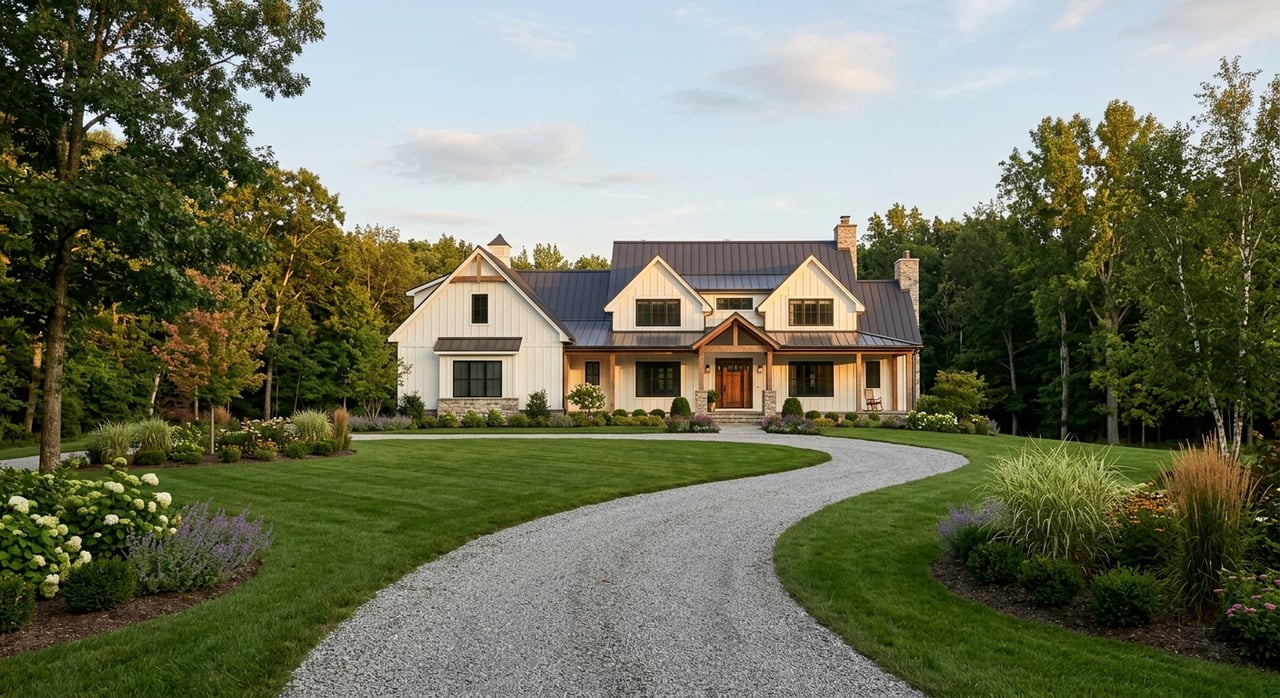
Thinking about buying a new home on land in Magnolia? The house plan may catch your eye first, but the land itself often shapes the whole experience. If you want more space, more privacy, and the flexibility that comes with a larger tract, you also need to understand utilities, permits, access, and restrictions before you move forward. This guide will help you focus on the right questions so you can buy with more clarity and confidence. Let’s dive in.
Why jurisdiction matters first
One of the biggest surprises for buyers in Magnolia is that a Magnolia mailing address does not always mean the property is inside the City of Magnolia. The city says its limits cover about 5 square miles, and its extraterritorial jurisdiction extends a half mile beyond that. That means two properties with similar addresses can fall under different rules.
For you as a buyer, that affects much more than a map label. It can influence permitting, utility service, driveway approvals, and whether you are working with city processes, Montgomery County requirements, a utility district, or private infrastructure. Before you fall in love with the home design, confirm the exact jurisdiction of the tract.
Why the legal description matters
In Magnolia, land may be described by a recorded plat or by a metes-and-bounds description on a survey or deed. Montgomery County’s permit packet asks for subdivision, section, block, and lot information for platted property, or a metes-and-bounds legal description or survey for unrecorded tracts. That difference can affect how the property moves through the permit process.
This is especially important if you are buying a more rural or acreage-style lot. A marketing description may sound simple, but the recorded legal description is what helps define how the property is reviewed and what documentation may be needed. In short, the paperwork behind the land matters just as much as the land itself.
Utilities are not one-size-fits-all
When you buy a new home in a typical neighborhood, you may assume water and sewer are already straightforward. On land in Magnolia, that is not always the case. Public service may be available, but it is not automatic.
The City of Magnolia says utility service goes through a formal application process. New utility accounts require a deposit and application fee, and new taps may trigger impact fees. The city also notes that it does not have information on every provider or district in the area, so buyers should confirm providers with the Realtor, HOA, landlord, or previous owner.
If the tract is outside city service, Montgomery County may require a letter from a utility district or provider stating that water or sewer service will be provided if that is part of the plan. That means utility confirmation should happen early, not after you have already chosen a floor plan.
Septic and well questions to ask early
For many land purchases, septic and private well planning are major due diligence items. Montgomery County says lot sizes should generally be at least 0.75 acre if there will be no private water well, and at least 1.5 acres if both a septic system and a private well will be installed. The county also requires a site evaluation, including soil analysis, before a septic permit-to-construct application can move forward.
If public sewer is not available, the county states that the owner must apply for a septic permit. That can affect where the home sits on the lot and how the site is designed. It is one more reason why the land layout matters before construction begins.
Private wells also come with ongoing responsibility. The Texas Commission on Environmental Quality says private well owners are responsible for regularly testing their water, and it notes that private drinking water wells are not regulated by the agency. In Montgomery County, groundwater questions also matter because the Lone Star Groundwater Conservation District was created to protect the county’s groundwater supplies.
Access, driveways, and drainage can affect cost
A larger lot often sounds simple on paper. In reality, access improvements may add time, approvals, and cost to the project. In Magnolia, driveway work requires permits through the city, and available forms include driveway and culvert replacement permit applications.
Montgomery County’s permit packet may also require a culvert verification form or culvert inspection receipt, depending on the property. It also asks for a site plan or survey showing the location of the new or existing structure. So if your new home will sit farther back on the tract, the path from the road to the house may need more planning than buyers expect.
Why culverts and ditch crossings matter
On land purchases, a driveway is not always just a slab or paved path. Depending on the tract, you may need to account for ditch crossings, culverts, or drainage impacts. These details can affect both your budget and your timeline.
That is why access should be part of your early property review. If the lot looks ideal but requires added work to make it usable, you want to know that before finalizing the home plan or contract terms.
Floodplain review should happen before design choices
Another key step for Magnolia land buyers is checking floodplain status early. In unincorporated Montgomery County, floodplain rules apply and development permits are required. The county’s permit packet says any development in the 100-year floodplain requires a permit, and floodplain status is determined at the time of application.
This is not just a technical detail. Floodplain status can affect where the home can be placed, what site work is needed, and how the final project comes together. Waiting too long to review this can lead to delays or force changes after you have already invested time in a plan.
Easements and restrictions can shape the build
Montgomery County’s floodplain regulations also state that existing easements, covenants, or deed restrictions are not overridden by those regulations. If different rules apply, the more stringent restriction controls. For you, that means floodplain review and title review should go hand in hand.
Before finalizing a build, check for drainage easements, recorded restrictions, and any lot-specific limitations. These documents may influence setbacks, structure placement, and what improvements can be added to the property.
Deed restrictions and HOA rules matter
If you are buying land for flexibility, this step is especially important. Magnolia-area tracts may be governed by recorded plats, deed restrictions, utility-district rules, and sometimes HOA documents. You should review the full title package rather than relying only on listing remarks or marketing materials.
Restrictions can affect much more than the look of the house. Depending on the tract, there may be limits on setbacks, fencing, exterior materials, minimum building size, shops or barns, or even livestock. Knowing those details before you write the contract can help you avoid expensive surprises later.
The builder should understand the land too
When you buy a new home on land, you are not only choosing a house. You are also choosing a process. A builder may be great at constructing the home itself, but on Magnolia acreage, it also helps if the builder is comfortable navigating city or county permits, septic design, water-source verification, driveway or culvert approvals, and utility-district letters.
That matters most when the tract is raw, partially improved, or outside city utilities. The key question is not only, “Can this builder build the house?” It is also, “Does this builder understand the lot?”
A simple Magnolia due diligence checklist
Before you move forward with a new home on land in Magnolia, keep these questions front and center:
- Is the property inside Magnolia city limits, in the ETJ, or fully in unincorporated Montgomery County?
- Is the lot identified by a recorded plat or by a metes-and-bounds legal description?
- Will the home use public water and sewer, a utility district, or a private well and septic system?
- If septic is needed, does the lot size support the plan and has a site evaluation been considered?
- Are driveway, culvert, or drainage approvals required?
- Is any part of the property in the 100-year floodplain?
- Are there deed restrictions, easements, or HOA rules that affect how the land can be used?
- Does the builder have experience with land-specific coordination in Magnolia and Montgomery County?
Why this matters for your buying experience
Buying a new home on land in Magnolia can be a great fit if you want more room and a more tailored setup. But the best outcome usually comes from understanding the property beyond the home’s finishes and square footage. The practical details of the land often shape cost, timing, and long-term usability.
When you ask the right questions early, you put yourself in a better position to plan well and avoid surprises. That is where experienced guidance can make the process feel far more manageable.
If you are exploring new homes on land in Magnolia and want help evaluating the lot, builder process, and next steps, reach out to Turner Mangum for guidance tailored to your goals.
FAQs
What should buyers verify first about new homes on land in Magnolia?
- You should first confirm whether the property is inside Magnolia city limits, in the ETJ, or in unincorporated Montgomery County, because jurisdiction can affect permits, utilities, and access requirements.
What utility questions matter for Magnolia land purchases?
- You should ask whether the property will use city utilities, a utility district, or a private well and septic system, and whether any applications, deposits, impact fees, or provider letters are required.
What are septic lot size considerations in Montgomery County?
- Montgomery County says lot sizes should generally be at least 0.75 acre if there will be no private well, and at least 1.5 acres if both a septic system and a private well will be installed.
Why do driveway and culvert permits matter for Magnolia properties?
- They matter because access improvements may require permits, culvert verification, inspections, or site-plan review, which can affect both budget and timing.
Why should floodplain status be checked before building on land in Magnolia?
- Floodplain status can affect development permits, home placement, and site design, and Montgomery County says floodplain status is determined at the time of application.
What restrictions should buyers review for Magnolia land?
- You should review recorded plats, deed restrictions, easements, utility-district rules, and any HOA documents because they may limit setbacks, structure placement, fencing, exterior materials, or other land uses.