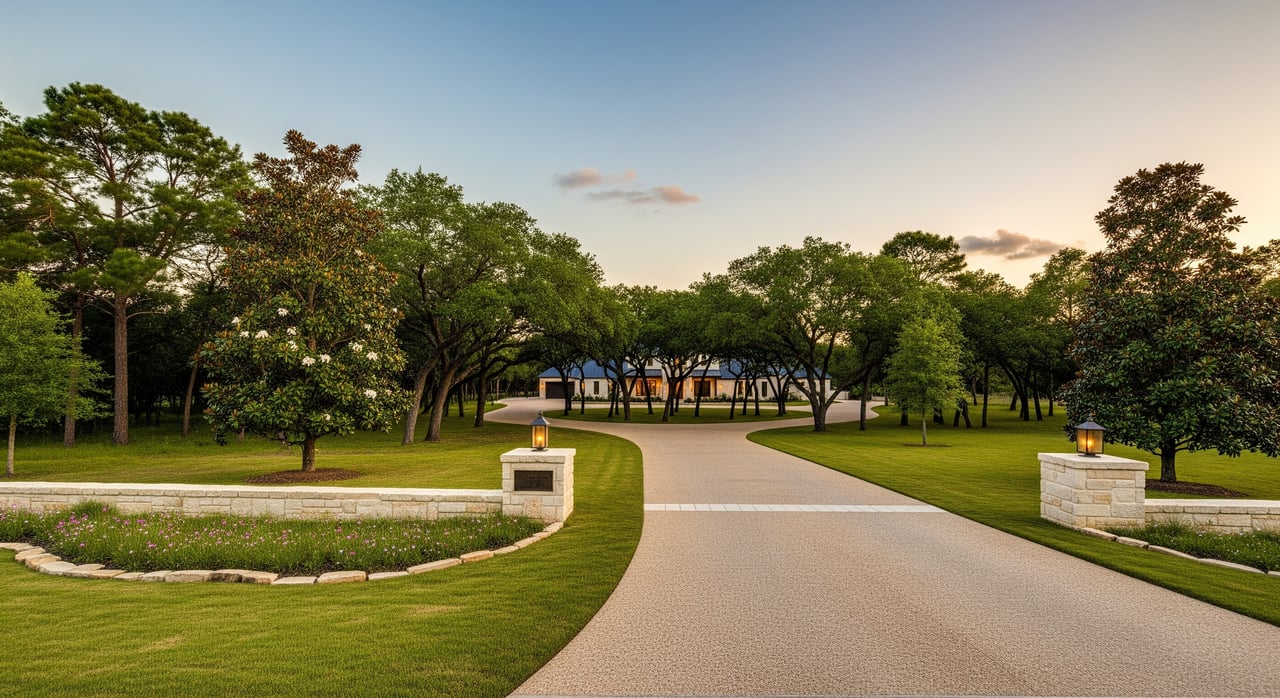
Thinking about building a new home in Magnolia but not sure which lot is the best fit? You are not alone. The right homesite affects everything from privacy and energy bills to flood risk and resale. In this guide, you will learn how to compare lot types, weigh sun exposure, evaluate premiums, and negotiate value with confidence. Let’s dive in.
Start with your priorities
Before you fall in love with a floor plan, get clear on your must-haves. Decide what matters most across three buckets: commute and daily convenience, privacy and noise, and total cost of ownership. In Magnolia, proximity to TX‑249 and I‑45 can shorten drives to regional job centers, while lots deeper in the community often offer more privacy.
Balance your commute against the lot’s feel and ongoing costs. Rank what you will not compromise on, like flood risk, backyard privacy, or space for future plans. This short list will help you filter lots fast.
Compare common lot types in Magnolia
Interior (standard) lots
- Pros: Lower lot premium, predictable setbacks, and a simple buildable envelope.
- Tradeoffs: Neighbors on both sides can limit cross‑ventilation and natural light.
Corner lots
- Pros: Extra frontage, flexible designs like a possible side‑entry garage, and strong curb appeal.
- Tradeoffs: Higher premiums, larger street-side setbacks, and potential for more traffic or noise.
Cul‑de‑sac lots
- Pros: Reduced through traffic and often larger or irregular shapes.
- Tradeoffs: Pie-shaped footprints can complicate layouts and shrink usable backyard space.
Waterfront, creek, or pond lots
- Pros: Scenic views, a natural privacy buffer, and strong resale appeal.
- Tradeoffs: Confirm FEMA flood zones, insurance needs, riparian setbacks, and erosion risk.
Wooded or tree‑buffer lots
- Pros: Built-in privacy, shade that can lower cooling costs, and a natural aesthetic.
- Tradeoffs: Possible tree removal costs, root and soil concerns, and storm damage risk. Check any preservation rules.
Estate or acreage lots
- Pros: Room for outbuildings, animals, pools, and enhanced privacy.
- Tradeoffs: Higher taxes and maintenance, plus potential costs for septic, well, or utility extensions.
Flag, driveway, or irregular lots
- Pros: Often priced lower and can maximize rear-yard privacy.
- Tradeoffs: Longer driveways, limited street frontage, and easements that can reduce where you can build.
Sloped lots
- What to know: In Southeast Texas, slopes mainly affect grading and drainage design rather than basements. Foundation and drainage solutions should be reviewed early.
Orientation and sun in Magnolia’s climate
Backyard direction and outdoor living
Magnolia’s humid subtropical climate brings hot summers and mild winters. West‑facing backyards take the brunt of late‑afternoon sun, which can impact outdoor comfort and cooling loads. East‑facing backyards catch pleasant morning light and milder afternoons.
Think about where you will spend the most time. If you plan a pool or extended patio, afternoon shade can make a big difference. Tree cover helps with cooling but adds debris and potential storm considerations.
Roof orientation and solar readiness
If solar is on your wish list, roof planes that capture consistent sun exposure are a plus. Tree placement and neighboring homes may create shade patterns that affect performance. Consider a pre‑build assessment so roof design and tree retention support your goals.
Privacy, noise, and neighborhood pattern
Walk the lot and nearby streets at different times of day. Note sight lines from sidewalks, common areas, and future phases shown on developer plans. Tree lines, berms, and fencing rules can shape privacy expectations.
Listen for traffic and activity. Proximity to major roads, collector streets, commercial corridors, or community amenities like sports fields can raise ambient noise. Weigh convenience against these tradeoffs.
Flood risk and drainage due diligence
In Montgomery County, localized flooding and drainage are important. Review flood maps to confirm the lot’s status and ask for finished floor elevation or an elevation certificate if the lot is in or near a flood zone. Builder grading plans and who maintains detention or retention ponds affect long‑term risk.
Walk the site after rain if possible. Note how water moves across the lot and into drains. Confirm downspout routing, swales, and maintenance responsibilities in writing.
Utilities, easements, and setbacks
Ask whether water and sewer are public or if septic and well are required. Verify electric, gas, and fiber availability and where meters or pedestals will sit. These placements can affect driveway design and yard use.
Easements and setbacks reduce the buildable envelope. Request the recorded plat, covenants, and any design guidelines to see exact dimensions. Clarify height limits and fence or tree rules before you pick a plan.
Builder lot premiums and pricing structure
New construction pricing typically includes the base house price, a lot premium, options and upgrades, and standard closing costs and fees. Lot premiums reflect location, views, elevation, tree cover, corner status, and lot size. In early phases, premium views can command higher pricing, while end‑of‑phase inventory may present value opportunities.
Market conditions matter. Inventory levels, seasonal demand, and interest rates can shift leverage between buyers and builders. Keep an eye on spec homes, model conversions, and close‑out sections where incentives often appear.
How to negotiate lot value with a builder
You have more levers than just a price cut. Consider:
- Lot premium credit: Ask for a credit equal to all or part of the premium to offset upgrades or reduce cash to close.
- Trade for upgrades: Seek tangible inclusions like a covered patio, enhanced landscaping, or a garage option instead of lowering the sticker price.
- Rate buydowns and lender credits: Builder‑lender partners may offer interest rate incentives that improve monthly affordability.
- Closing cost help: Look for assistance on closing costs, especially on spec or end‑of‑phase homes.
- Timing leverage: End of month or quarter, slower periods, or higher unsold inventory can unlock better terms.
- Lot swap: If multiple lots are available, use your flexibility to land a lower‑premium lot or better incentive package.
A buyer’s agent adds value by comparing premiums across recent sales, writing clean contracts with clear lot descriptions and credits, coordinating third‑party checks, and advocating when change orders or delays arise.
Due diligence checklist before you sign
Use this quick checklist to confirm the essentials:
- Legal and recorded items: Recorded plat, CC&Rs, design guidelines, setback lines, and title commitment with easements.
- Flood and site data: FEMA flood status, finished floor elevation, soil or geotechnical info if needed, and a drainage plan with maintenance responsibilities.
- Trees and environment: Tree survey, preservation rules, and any protected species requirements.
- Utilities: Water, sewer, gas, electric, and telecom at the lot line, plus any extension or tap fees.
- Taxes and fees: Itemized lot premium, HOA dues and coverage, and MUD or special district tax rates and bonds.
- Practical tests: Visit at rush hour and evening, drive your commute on TX‑249 or I‑45, and map grocery, healthcare, and emergency services.
- Builder specifics: Build timelines, warranty coverage, standard features, upgrade pricing, and written confirmation of all incentives.
Put it all together: a simple framework
Start by ranking your non‑negotiables: flood safety, commute time, privacy, and backyard orientation. Eliminate lots that fail the deal‑breaker checks. Then compare finalists across price, livability, and resale appeal.
Finally, align your choice with a negotiation plan that targets credits or upgrades you value most. With a clear process, you can secure a lot that fits your lifestyle today and your long‑term goals tomorrow.
Ready to walk lots in Magnolia with a plan? Our New Home Division knows builder practices, lot premiums, and how to structure contracts that protect you. Connect with Turner Mangum to get a comparative lot analysis and a negotiation strategy tailored to your goals.
FAQs
What should Magnolia new‑home buyers check first about a lot?
- Start with flood status, utilities at the lot line, MUD or special district taxes, and any easements or setbacks that limit your buildable area.
How does backyard orientation affect comfort in Magnolia, TX?
- West‑facing backyards heat up in late afternoon, which can raise cooling loads, while east‑facing backyards offer gentler morning light and cooler afternoons.
Are cul‑de‑sac lots in Magnolia a good choice for families?
- Many buyers like the reduced through traffic and larger shapes, but pie‑shaped footprints can shrink usable backyard space and complicate floor plan placement.
What costs are included in a builder’s lot premium?
- Premiums reflect location within the community, views or water, elevation, tree cover, corner status, and lot size, and they are typically a line item on top of the base price.
How can I negotiate lot value on a new build in Montgomery County?
- Ask for a lot premium credit, swap for targeted upgrades, explore rate buydowns and closing cost help, and use timing or lot flexibility to improve terms.
What local commute factors should Magnolia buyers consider?
- Test drive routes to TX‑249 and I‑45 at peak hours to balance commute time with lot size, privacy, and overall neighborhood feel.